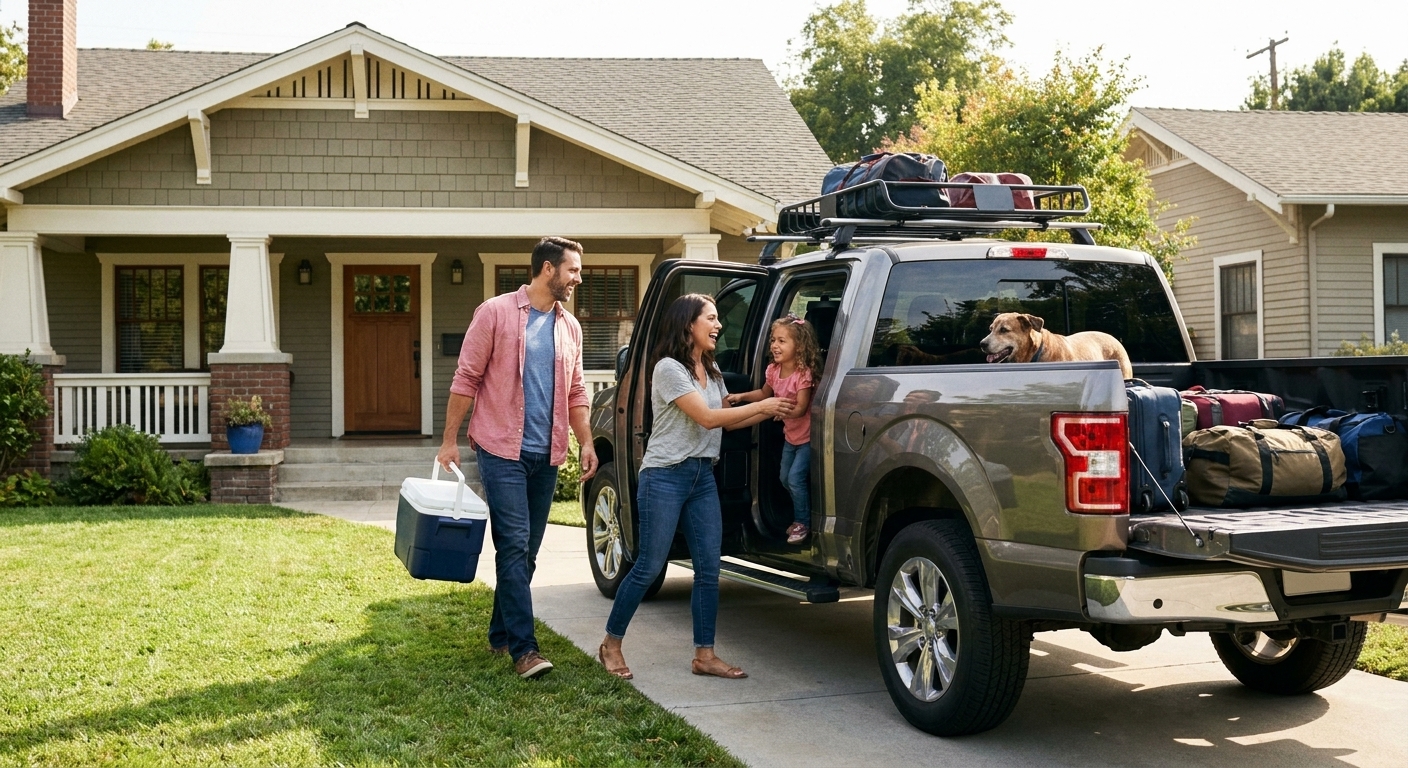
A long drive has a way of turning small problems into big ones. A chip that was barely noticeable during city driving on Perkins Road can spread dramatically at highway speed on I-10 heading toward New Orleans or Houston. A side mirror that rattles in Baton Rouge traffic becomes a real hazard at 75 mph on the Atchafalaya Basin Bridge. Taking 20 minutes to inspect your auto glass before a road trip can save you hours of stress — and potentially a lot of money — on the other end.
Here's the complete checklist to run through before you leave the Baton Rouge area for a long drive.
The Pre-Road Trip Auto Glass Inspection Checklist
Stand outside the vehicle and look across the entire windshield from multiple angles. Check for chips, cracks, or stress lines. Look from the inside too — some damage is easier to see from the cabin. Any chip you find today has an excellent chance of becoming a crack by the time you reach your destination in Louisiana summer heat.
Check the rubber trim around the windshield perimeter for gaps, cracks, or lifting. A compromised seal can allow water intrusion at highway speed, a real concern given Louisiana's unexpected downpours, and creates structural vulnerability in the glass.
Worn or cracked wiper blades don't just smear. They can scratch the glass over time. Test them with wiper fluid before departure. Louisiana summer storms can appear without warning in any direction, and you want full visibility the moment rain starts. Blades that seemed fine in dry weather can leave dangerous smear patterns in heavy rain.
Check the rear windshield for cracks, chips, and defroster line integrity. Cracked rear glass is less immediately dangerous than a cracked front windshield, but it's still a structural compromise — and road vibrations over long highway stretches will worsen it.
Lower each window fully and bring it back up. Check for smooth operation without excessive vibration. Look for chips or cracks along the edges where windows meet the door frames.
Check that both side mirrors are securely mounted. A loose mirror housing vibrates at highway speed, making the mirror useless for lane changes on the Atchafalaya Basin Bridge or I-10 through the Baton Rouge Industrial Corridor. Tap the housing gently — it shouldn't rattle.
Open and close it once to confirm the motor and track are working. Check the glass for chips along the edges. Sunroof glass experiences different stress patterns than windshields — edge chips can spread quickly at highway speed and Louisiana temperatures.
Top off the wiper fluid reservoir before departure. Highway driving accumulates grime quickly — especially behind the petrochemical and aggregate trucks common on I-10 and I-12. Running out of fluid with a dirty windshield creates a real visibility hazard.
Why Louisiana Road Trips Are Harder on Glass
Driving out of the Baton Rouge metro on I-10, I-12, or Airline Highway exposes you to conditions that are harder on auto glass than typical city driving:
- Highway speed debris: At 70 mph, a small rock from a truck's tire hits your windshield with several times the force it would at city speeds. The I-10 corridor between Baton Rouge and New Orleans has particularly heavy commercial traffic — petrochemical tankers, aggregate haulers from Ascension Parish, and long-haul semis. Debris chips are extremely common.
- Bridge deck conditions: The Atchafalaya Basin Bridge, the I-10 Mississippi River bridge, and the I-12 flyovers all have expansion joint seams that send vibrations through the vehicle at highway speed. If you're starting with a chip, these bridges can accelerate crack spreading more than equivalent flat highway stretches.
- Temperature extremes: If you park for lunch in New Orleans or stop in Lafayette, your windshield bakes in direct Louisiana sun. Getting back in and blasting the AC to escape the heat creates thermal stress on any existing chips, exactly when cracks spread fastest.
- Afternoon storm cycling: Louisiana afternoon thunderstorms can soak a windshield that's been in direct sun for hours, cycling the glass temperature rapidly down. This thermal cycling is especially hard on chipped glass along the I-10 and I-12 corridors.
What to Do If You Pick Up Damage on the Road
If you notice a chip or crack while traveling, don't ignore it. Here's what to do:
- Park in shade when possible. Direct Louisiana sun accelerates crack spreading dramatically. A covered rest area or parking garage buys you time. On I-10 between Baton Rouge and Lafayette, covered rest stops are limited. Look for trees or structure shadows.
- Avoid temperature extremes. Don't blast the AC or defroster at full power immediately after the vehicle has been in the sun. Let the temperature equalize gradually, especially critical in Louisiana's July and August heat.
- Avoid car washes. High-pressure water and the flex from car wash equipment can cause a small chip to crack rapidly.
- Assess whether it's safe to continue. A small chip away from your sightline and away from the glass edge: generally safe to drive carefully. A crack crossing your field of vision or reaching the edge: get it serviced before continuing long highway stretches.
- Call for mobile service when you return. If you're traveling outside our service area and get home with windshield damage, call us at (225) 555-0100 for same-day service throughout the Baton Rouge metro area.
Pre-Trip Repairs: Worth Doing Now
If you find an existing chip or small crack during your pre-trip inspection, get it repaired before you leave, not after you return. A chip that can be fixed in 30 minutes for a fraction of the replacement cost has an excellent chance of spreading to a full crack during a long drive on Louisiana highways. Coming home to a cracked windshield that now requires replacement is an expensive lesson in preventive maintenance.
We offer same-day mobile windshield repair and replacement throughout the Baton Rouge metro area. If you're planning a trip and want to get a chip repaired before you go, call (225) 555-0100 or fill out the form on this page.